
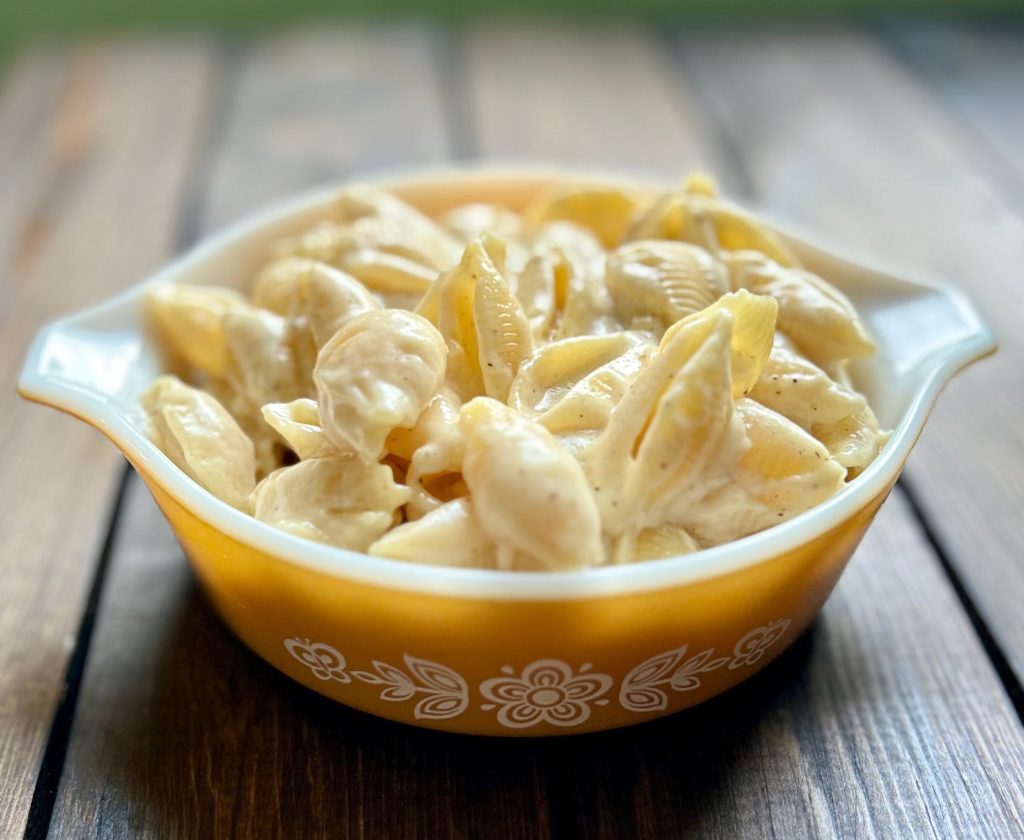
Macaroni and cheese is the ultimate comfort food. Whether it’s on the Thanksgiving dinner table or a side dish at the cookout, you’re sure to find versions of it at most social gatherings. And while I’m loath to find a mac and cheese I don’t enjoy (even the notorious blue box), there are a few tricks I’ve learned over the years to make your next batch extra delicious:
Mix and Match Cheeses
The biggest macaroni cardinal sin (in my personal cheesy opinion) is using only one type of cheese in your sauce. Mixing and matching a few different varieties opens the door to a more flavorful and richer final dish. Start with a base of something mild and creamy, like a young cheddar or gouda for ultimate meltiness. Then add more sharp tasting cheeses, such as aged cheddar, 18-month Gruyère, or Parmigiano-Reggiano. These older cheeses have intenser flavors, but also are drier in texture. So when you combine a creamy mild cheese with a more vibrant aged cheese, it’s the perfect pairing for a balanced mac and cheese sauce. You can also try mixing up the type of milk, like pairing a cows’ milk cheese with a sheep’s milk cheese, to create a lovely match-up when melted down into a sauce.
Flavor the Pasta Water
Why not give your macaroni flavor from the inside out? When cooking the pasta, try flavoring the boiling water for an extra depth in the final dish. A huge pinch of salt (make it salty like the sea) is a good place to start, but another option instead is sprinkling in bouillon to infuse the macaroni with savoriness. I personally prefer the Better Than Bouillon brand and their chicken, vegetable, or roasted garlic varieties are all delicious for macaroni and cheese.
Shred Your Own Cheese
I fully appreciate the convenience of pre-shredded cheese, and I’m willing to admit I keep a bag around for quick quesadillas or topping baked potatoes. However, when it comes to creating a creamy sauce, shredding your own cheese is essential to achieve the correct texture. Pre-shredded cheese typically has a coating of cellulose or some type of starch (such as cornstarch or potato starch) to prevent it from clumping in the bag. While this is great for a longer shelf life, the same coatings can prevent your sauce from becoming velvety and instead causes a gritty texture. Shredding by hand on a grater, or a hand rotary for a more accessible option, is the way to go for the ideal macaroni and cheese sauce.
Use a Flavored Cheese
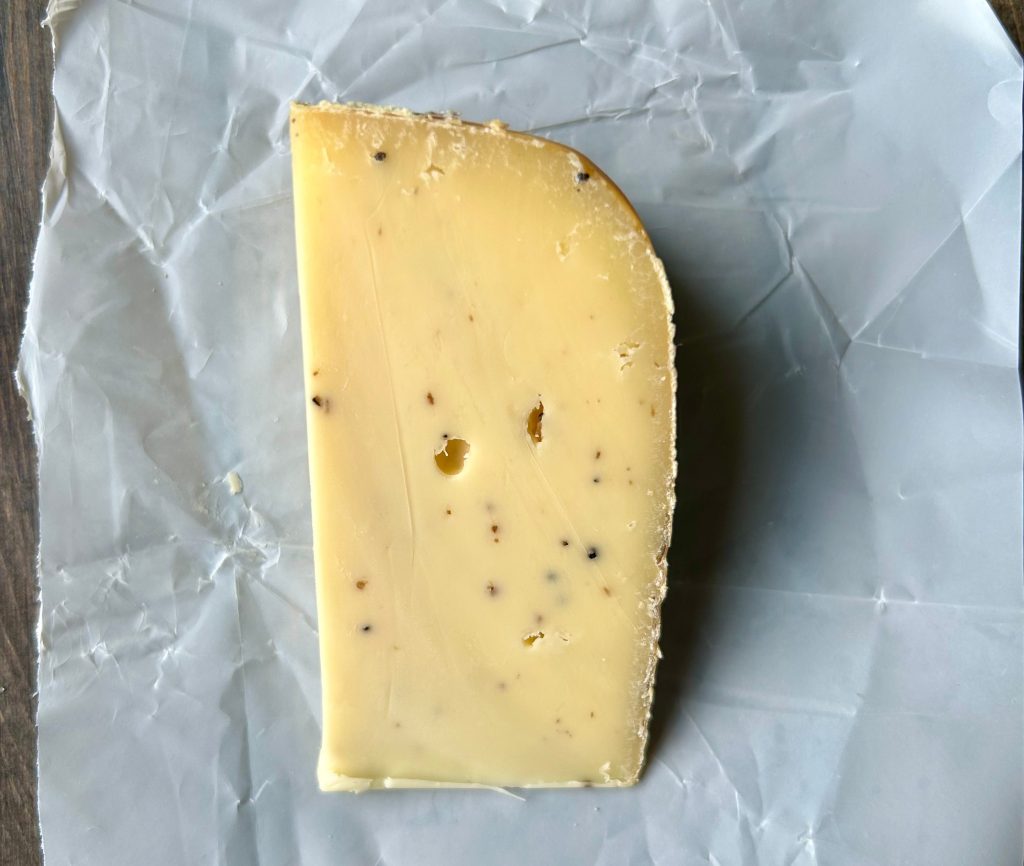
Before you judge, hear me out. Using a flavored cheese for a portion of your shredded cheese can sometimes be the secret to a wow-worthy macaroni instead of a basic side dish. My personal favorite for this is Treur Kaas Bio Truffo, a Dutch cow’s milk gouda that contains 1 percent real truffles. It has nutty notes, alongside the richness of the truffle, and melts beautifully into the sauce. I use it for about one quarter of the required cheese, which allows it to add a subtle flavor without overwhelming the entire recipe. Other delicious options for adding flavor are smoked (Red Apple Smoked Gouda), spicy (pepperjack), or herbaceous cheeses (sage derby).
Don’t Forget the Mustard
Even staunch mustard haters won’t be able to tell that there’s a dash of it in their mac and
cheese. This not-so-secret ingredient cuts through the richness of the cheese a bit while
adding some savory notes to the final dish. Towards the end of cooking your sauce, whisk in
half a teaspoon of mustard powder or a teaspoon of Dijon mustard per pound of pasta in
the recipe. Be sure to avoid some varieties, such as Colman’s English mustard powder or
Chinese-style hot mustard powder, as those have very bold and spicy flavors that will likely
make the final dish taste a bit off.
Want to learn more about cheeses and how to cook with them? Sign up for a Mrs. Cheese
class in the Pittsburgh area!
 Mrs. Cheese
Leave a comment